Elevate Every Bite with Gentle Candle Companions
Tonight we dive into candle scent pairings for dining and entertaining without overpowering food, celebrating fragrances that frame a menu rather than fight it. Expect practical pairing strategies, timing tips, heartwarming anecdotes, and easy checklists that help flavors shine. Explore how citrus, herbs, and airy woods quietly support conversation and cuisine, while heavy sweetness stays respectfully distant. Share your favorite matches, ask questions, and subscribe for seasonal menus with effortless ambiance.
Balancing Intensity with Delicacy
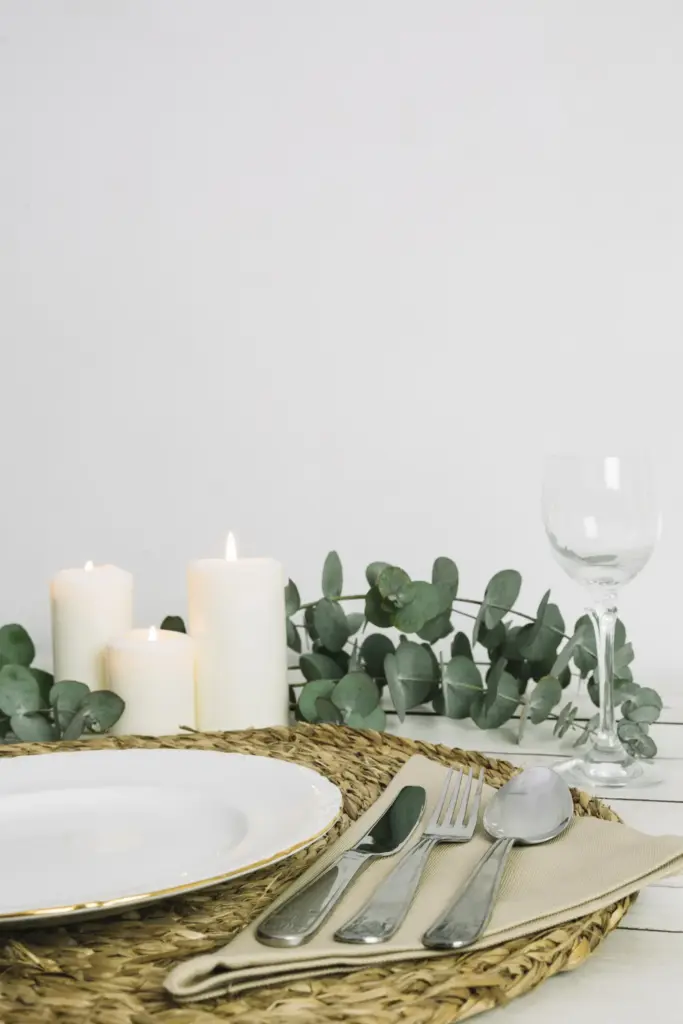
Consider the concept of throw like lighting: brightness matters, but direction matters more. Choose low to medium throw candles and adjust wick size, placement, and quantity to suit the room’s square footage. Favor transparent formulas that avoid syrupy density; airy citrus, clean herbs, and dry woods lend presence without smothering nuance. When in doubt, reduce the number of lit candles and let the food speak, then add a distant accent for atmosphere beyond the immediate table.
Understanding Fragrance Families Around Food
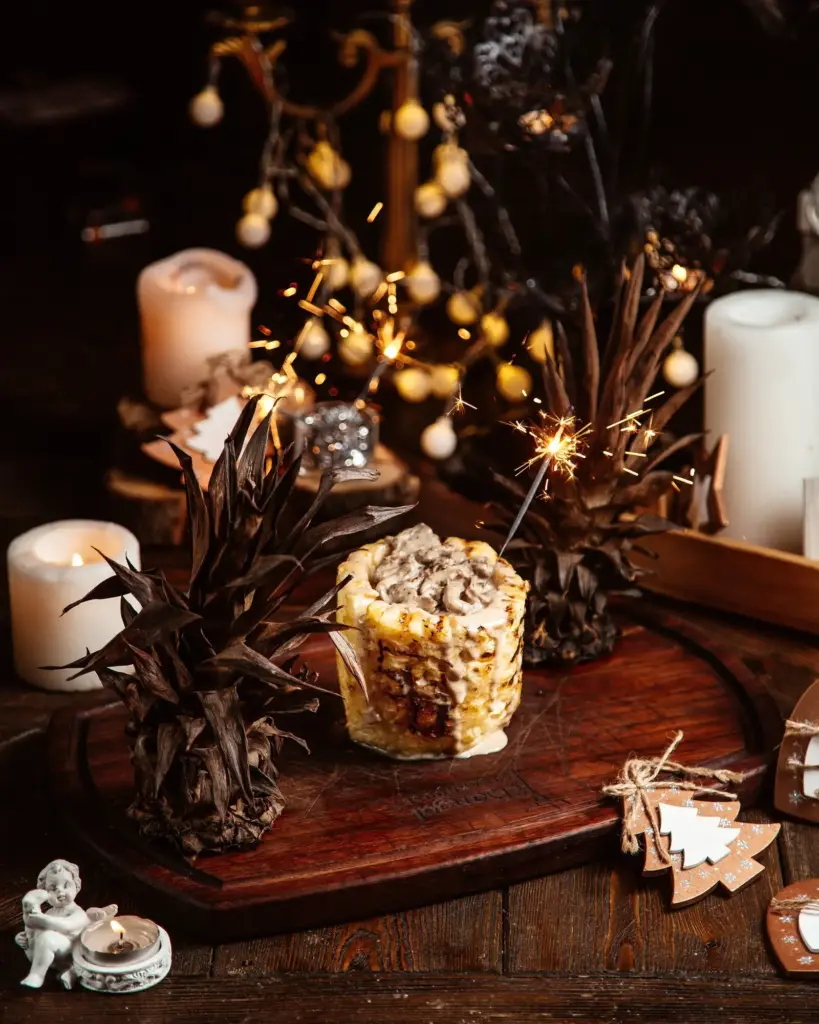
Citrus notes such as lemon, bergamot, and grapefruit brighten seafood, salads, and sparkling wines. Herbal and green profiles—rosemary, thyme, basil, mint—calmly echo garden freshness without turning saccharine. Marine and ozonic touches contribute breezy clarity. Use florals sparingly and steer gourmand notes, like vanilla or caramel, far from savory plates. Reserve resins and spices for hallways or lounges at a respectful distance, ensuring they color the evening without painting over delicate culinary details.
Pairing by Cuisine Styles
Menus speak dialects, and fragrance should respect their grammar. From Mediterranean brightness to umami-rich Asian feasts and comforting roasts, complementary notes work like ideal dinner guests—present, charming, and never louder than their hosts. We’ll match cuisine patterns with scent families, identify pitfalls, and refine intensity so candlelight becomes an extension of plating, wine temperature, and timing. Thoughtful pairings wrap the evening in finesse while keeping flavors distinct and honestly expressive throughout courses.
Think olive oil, ripe tomatoes, grilled fish, lemon zest, and garden herbs. Choose crisp lemon verbena, delicate thyme, or a quiet sea-salt accord to underline freshness and mineral clarity. Avoid creamy vanilla and pastry tones near tapenade or branzino, as sweetness muddies salinity. A single slender taper on a sideboard, not the table’s center, keeps the air lively yet restrained. Finish with a faint herbal breeze for conversation over espresso, citrus slices, and almonds.
Umami, ginger heat, lemongrass brightness, and fragrant rice deserve room to bloom. Try green tea, bamboo, or a whisper of yuzu for lift without competition. Keep white florals extremely subtle, ensuring jasmine in the glass or dish remains the star. Place candles away from steaming platters to avoid aromatic crosswinds. Between courses, ventilate lightly and refresh with a minimal citrus-herb accent in the background, allowing balanced broths and crunchy herbs to maintain their layered precision.
For roast chicken, root vegetables, or braised beef, lean into dry rosemary, bay leaf, cracked pepper, and a hint of smoked cedar—positioned at room edges, never beside the gravy boat. You’ll reinforce savory depth without turning the meal perfumey. If a richer note is desired, add a distant amber glow in a hallway to warm the mood without touching the plate. Keep transitions gentle, letting pan drippings and browned edges remain the undisputed stars.

Timing, Distance, and Flame Etiquette
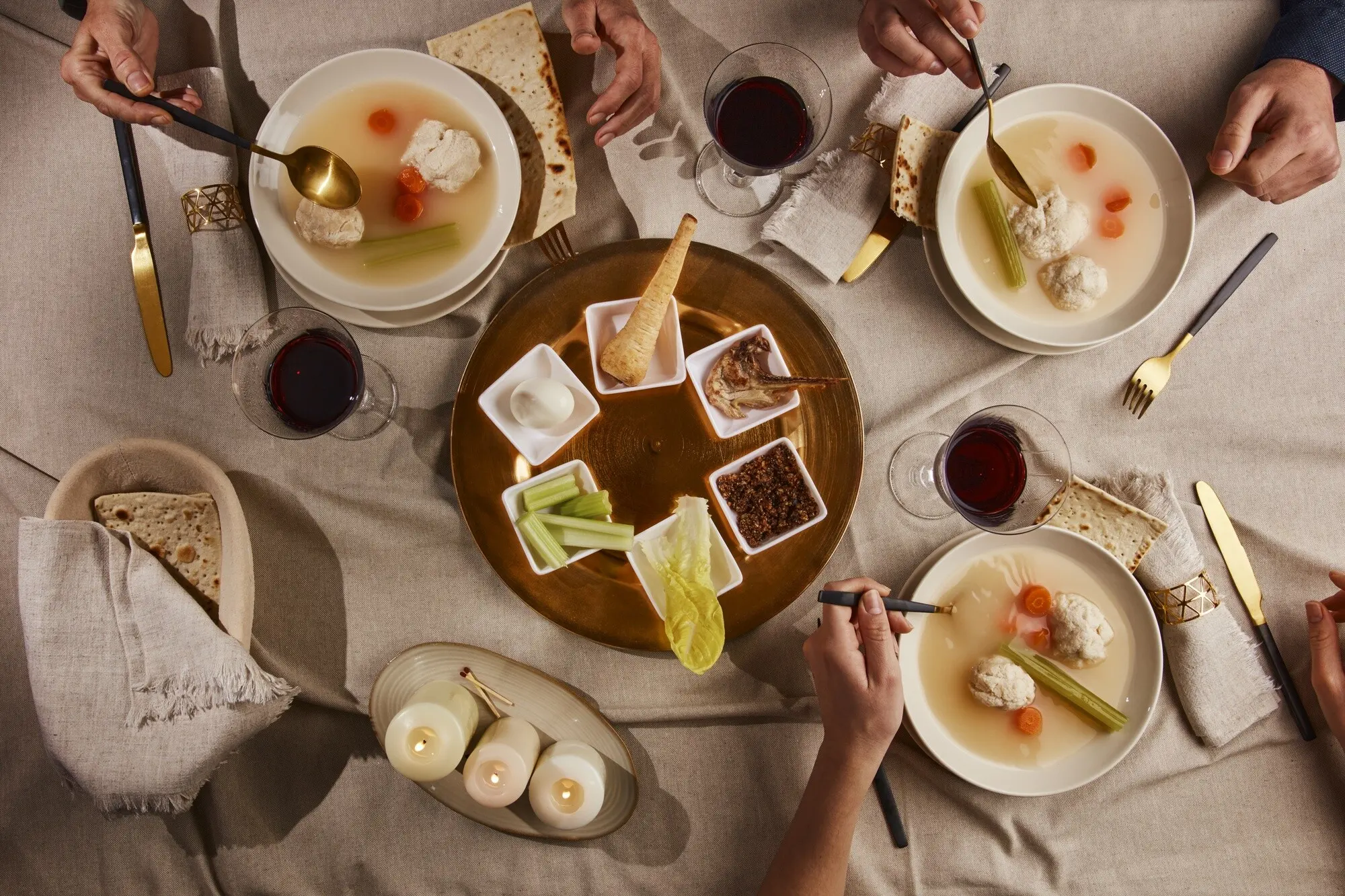
Great results depend on choreography: pre-scent the room, then dial back before serving. Distance and airflow matter more than label adjectives. Place scented candles off-table and use unscented tapers near plates to preserve aromas from the kitchen. Between courses, refresh subtly, and after dessert, shift to cozier notes farther away. These moves create a seamless arc, with each course arriving to clear air, framed by a calm glow that flatters both food and conversation.
Spring Brunch Glow
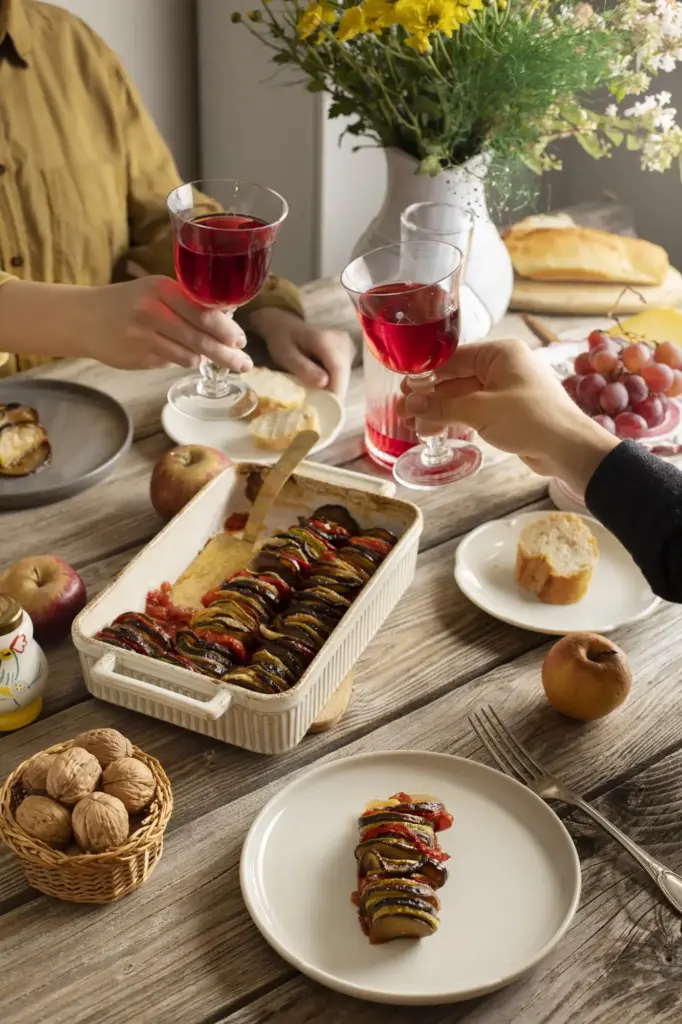
For asparagus, peas, soft cheeses, and poached eggs, consider delicate lemon peel, meadow grass, and a whisper of mint. Keep diffusion minimal to protect acidity and dairy nuance. Use a single small candle on a shelf, not beside fresh pastries or fruit. Open windows if possible, letting real garden breezes mingle with the lightest fragrance. A gentle profile underscores tender textures, sparkles alongside prosecco, and sustains brightness through berries, yogurt, and the first strawberries of the season.
Summer Garden Suppers
Grilled zucchini, tomatoes, stone fruit, and seafood pair beautifully with basil leaf, cucumber water, lime zest, or airy neroli—used sparingly. Aim for refreshment over perfume. Place candles near entryways so outdoor air carries hints inward, avoiding scented hotspots near salads or chilled rosé. Consider citronella outdoors and unscented tapers on the table, with a single green-citrus note in the kitchen pass. This strategy respects ripe produce, charred edges, and the easy pace of twilight gatherings.
Autumn Harvest Dinners
When roasting squash, mushrooms, and late-season poultry, lean into dry cedar, laurel, and faint smoke, carefully distanced from the table. Reserve sweet spices for the living room after dessert, not beside savory jus. A small, resin-tinged candle on a sideboard underscores coziness without painting over earthy notes. Pair with fuller-bodied wines and crackling leaves at the door. The result feels grounded, layered, and generous, with candles guiding mood rather than editing the cook’s carefully built flavors.
Anecdotes from Real Tables
Stories teach faster than rules. These true-to-life moments show how tiny adjustments—shifting a candle, trimming a wick, or choosing a different scent family—can rescue pairings and heighten pleasure. You’ll hear about desserts dulled by heavy vanilla, curry eclipsed by misplaced citrus, and a beloved roast carried beautifully by rosemary. Consider these vignettes your rehearsal, offering confidence when guests arrive hungry, glasses catch candlelight, and the room hums with anticipation and softly steered aroma.
The Vanilla Cheesecake Surprise
We once placed a lush vanilla candle near a lemon cheesecake, thinking it would amplify pastry notes. Instead, the zest tasted flat and the meringue seemed cloying. The fix was simple: vanilla moved to the lounge, a tiny lemon-leaf candle pre-scented the dining room, then was extinguished before slicing. Suddenly, acidity sparkled and crust felt crisp again. Lesson learned: charming sweetness belongs as a distant after-dinner companion, never hovering beside a citrus-forward finale.
Curry Night Course Correction
A lemongrass candle on the sideboard seemed perfect for a coconut curry spread, until steam pulled fragrance directly across the table. Herbs blurred and the rice felt perfumed. We opened a window, relocated the candle to the hallway, and swapped it for a delicate green tea profile at very low intensity. Within minutes, heat, lime, and basil reappeared in balance. Guests noticed the difference, praising the clarity of flavors and the newfound calm in the room.
Grandmother’s Roast and Rosemary
During a family roast, the room felt heavy despite a wonderful jus. We trimmed wicks, extinguished a sweet amber nearby, and introduced a single rosemary taper on a far console. The shift was immediate: potatoes tasted brighter, pan juices seemed more savory, and conversation revived. Later, the amber returned to the den for nightcaps. That gentle relocation honored nostalgia while protecting the plate’s voice, proving that respectful distance can transform a familiar meal into something quietly extraordinary.
Five-Minute Pre-Dinner Checklist
Trim wicks to a quarter inch for clean burn. Light subtle scents forty minutes ahead, then move or snuff before serving. Keep scented candles off-table; use unscented tapers for glow. Check airflow to prevent aromatic currents across plates. Reserve richer notes for distant spaces. After dessert, reintroduce cozy accents away from the dining zone. This tiny ritual reduces guesswork and consistently preserves vibrant acidity, crisp textures, and layered aromas that deserve your guests’ full attention and appreciation.
Materials Matter: Wax, Wick, and Vessel
Different waxes throw differently: soy and coconut tend to diffuse softly, paraffin often projects more. Cotton wicks usually burn cleaner than metal-core. Matte ceramic vessels can mute throw, while glass amplifies it. Choose combinations that support restraint and clarity. Test burn in the actual room; scent behaves differently around upholstery, curtains, and open doors. Careful material choices deliver the quiet presence you want, curating ambiance that flatters wine bouquets and the chef’s carefully layered flavors.
Join the Conversation and Share Pairings
Tell us your winning matches and near-misses. Which citrus notes lifted seafood without stealing the show? Did a basil-forward candle rescue a flat salad, or did a gourmand blend overwhelm dessert? Drop comments, request pairings for your next menu, and subscribe for tailored guides. We’ll feature reader stories, test suggested combinations, and spotlight subtle newcomers worth trying. Together we can keep dinners bright, wines expressive, and candles gracefully supportive rather than center stage.
All Rights Reserved.